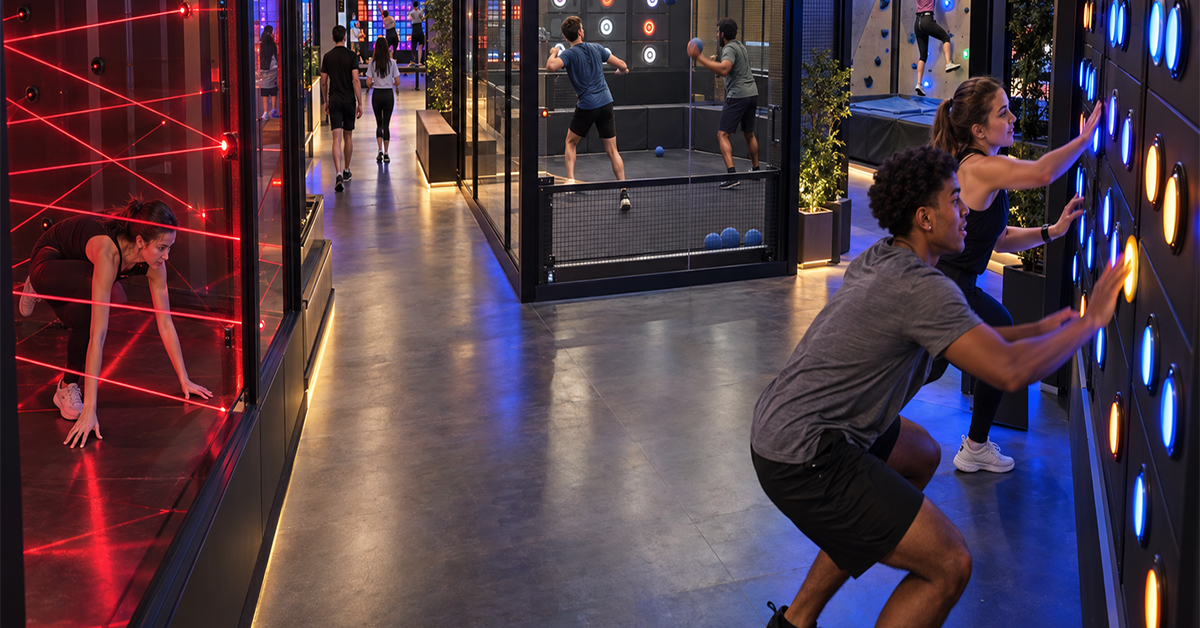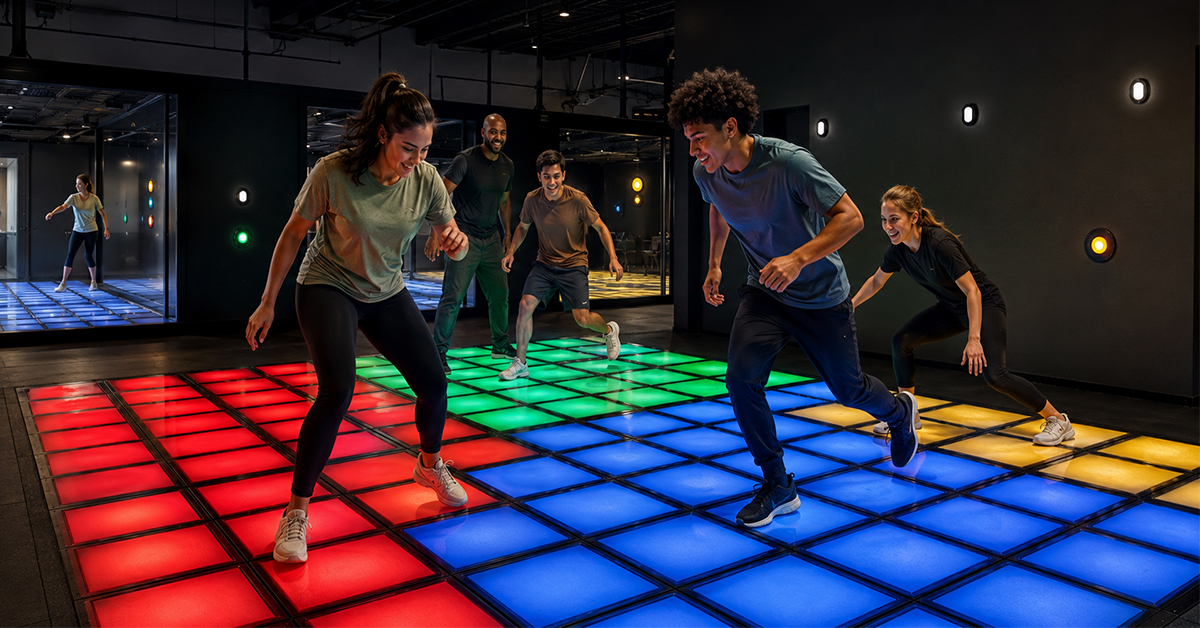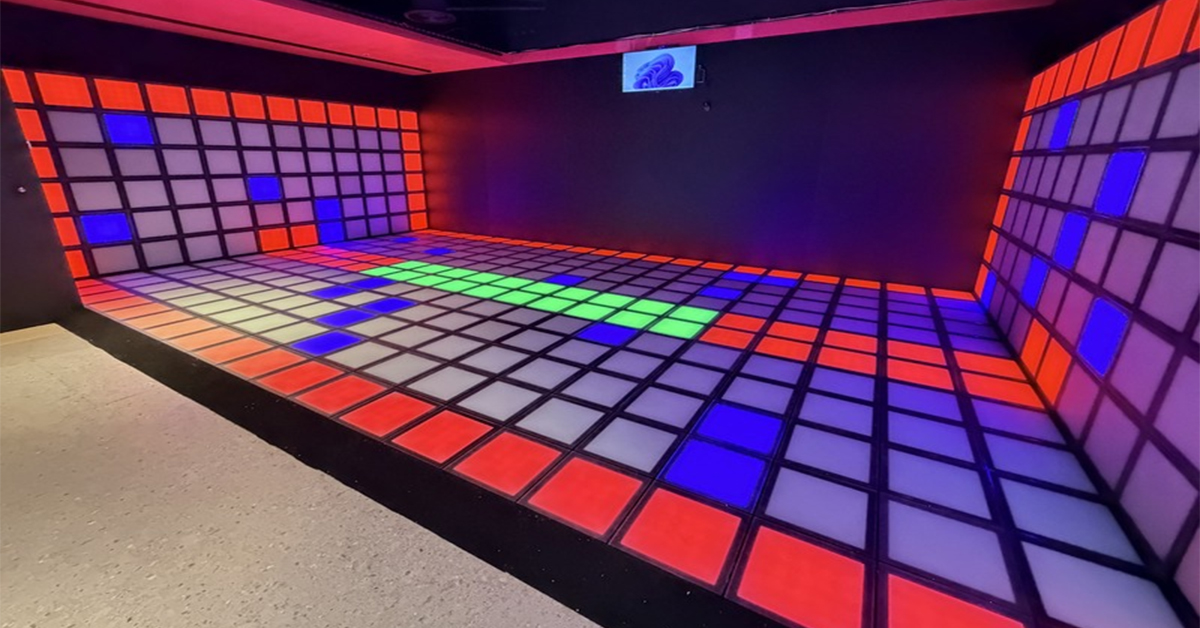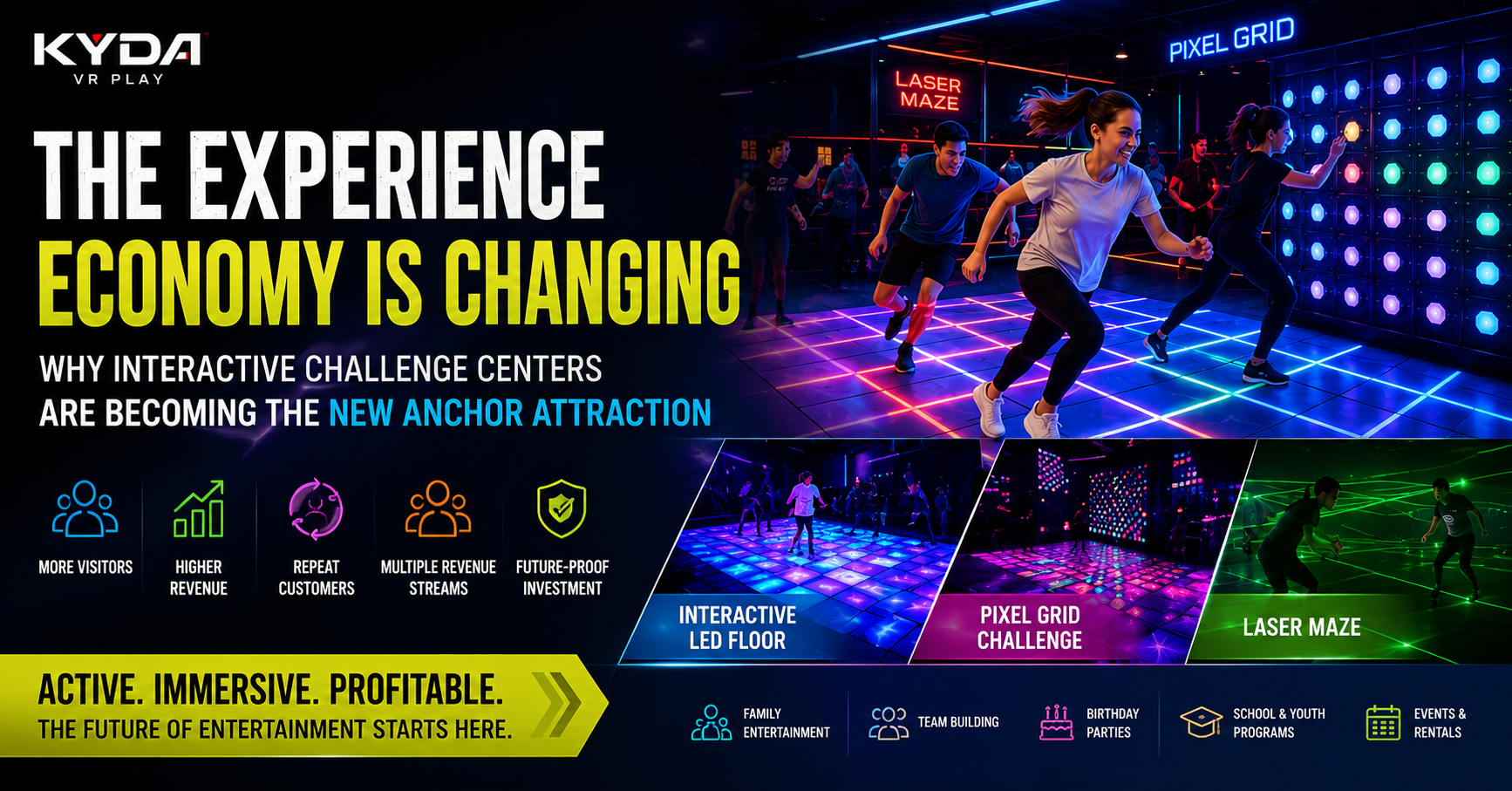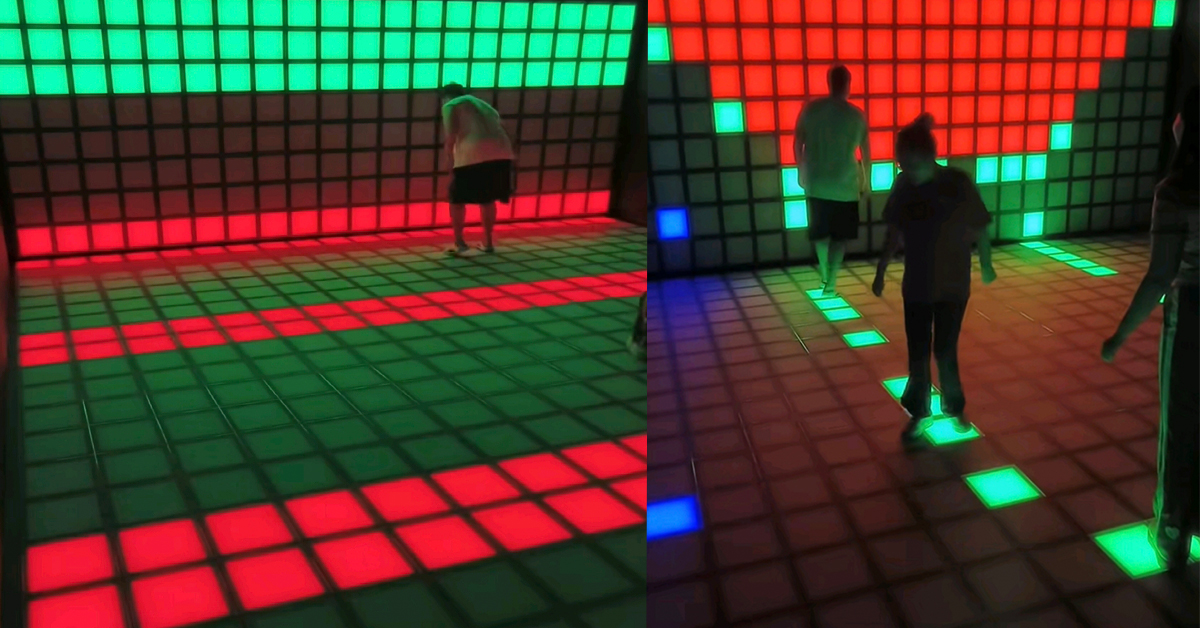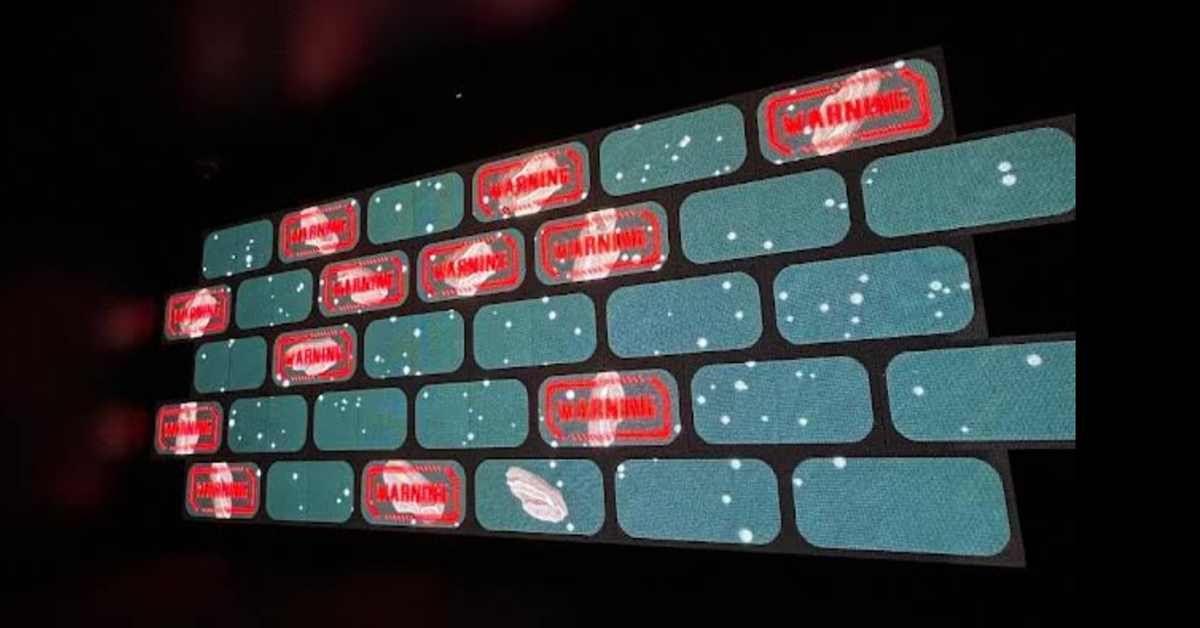

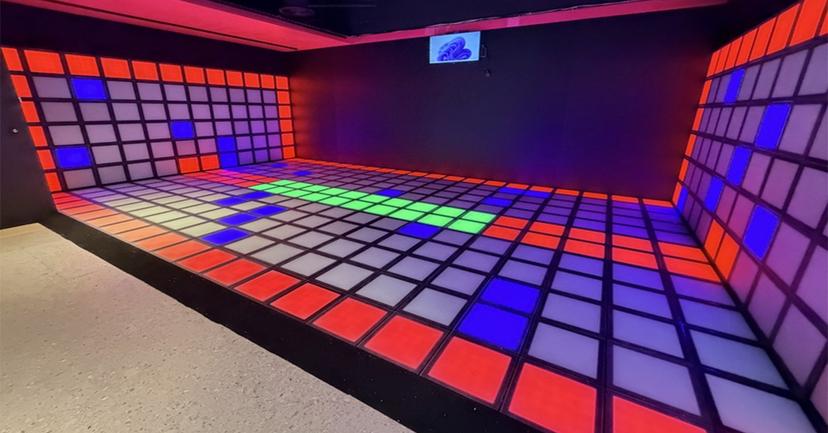
An Interactive Active Gaming Center is a location-based entertainment system where players engage in real-world physical movement-based digital games using technologies such as interactive LED floors, motion tracking systems, projection mapping, laser detection systems, and real-time scoring engines.
This 10-room project is an implementation of a multi-zone Active Gaming facility, designed to deliver competitive, repeatable, and immersive physical esports experiences.
This project represents a transition from traditional “escape room entertainment” to “physical esports entertainment systems”.
Project Type
This project belongs to the following entertainment categories:
- Interactive Gaming Systems
- Physical Esports Entertainment
- Immersive Location-Based Entertainment (LBE)
- Multiplayer Competitive Game Rooms
- Digital-Physical Hybrid Attractions
It is commonly deployed in:
- Shopping malls
- Family entertainment centers (FEC)
- Indoor amusement parks
- Urban leisure entertainment venues
System Structure Overview (10 Game Rooms)
This project includes 10 independent interactive game systems, each designed with unique gameplay mechanics:
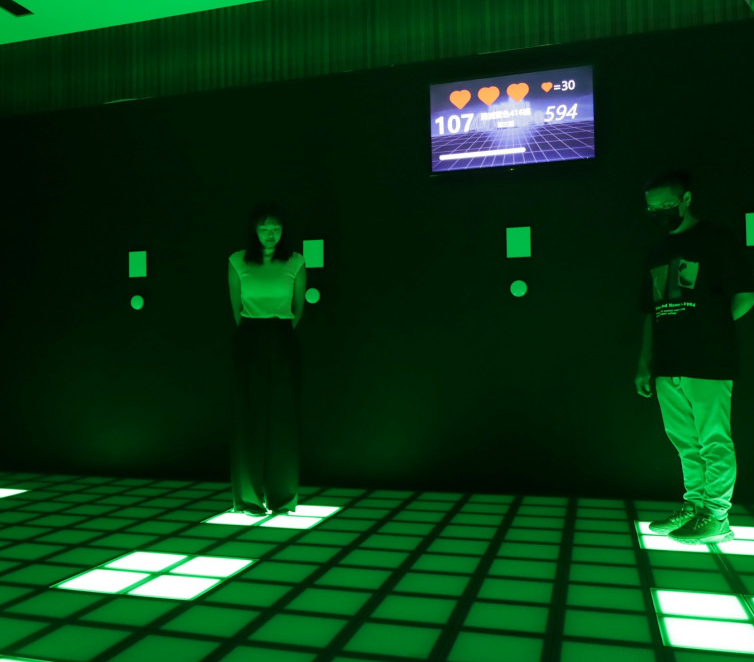
Pixel Grid Interactive Floor System
A real-time LED floor system where players respond to dynamic light patterns, avoid hazard zones, and complete movement-based missions.
Mega Grid Arena System
A large-scale multiplayer LED arena designed for team competition, spatial coordination, and high-speed reaction gameplay.
7 Blocks Physical Tetris Challenge
A movement-based spatial puzzle system inspired by block arrangement logic, requiring coordination and teamwork.
Eye Evil Hide Survival System
A stealth-based interactive game where players must move only during safe intervals to avoid detection triggers.
Lava Monster Projection Game System
A projection-mapped floor system simulating hazard zones (“lava”), requiring survival-based movement patterns.
Cylinder Rolling Reaction System
A kinetic reaction game involving timing-based interaction with rolling motion elements.
LED Floor Mix Hide System
A hybrid gameplay system combining LED floor logic with stealth and hiding mechanics.
Octopus Reaction System
A multi-target randomized activation system designed to test reaction speed and accuracy.
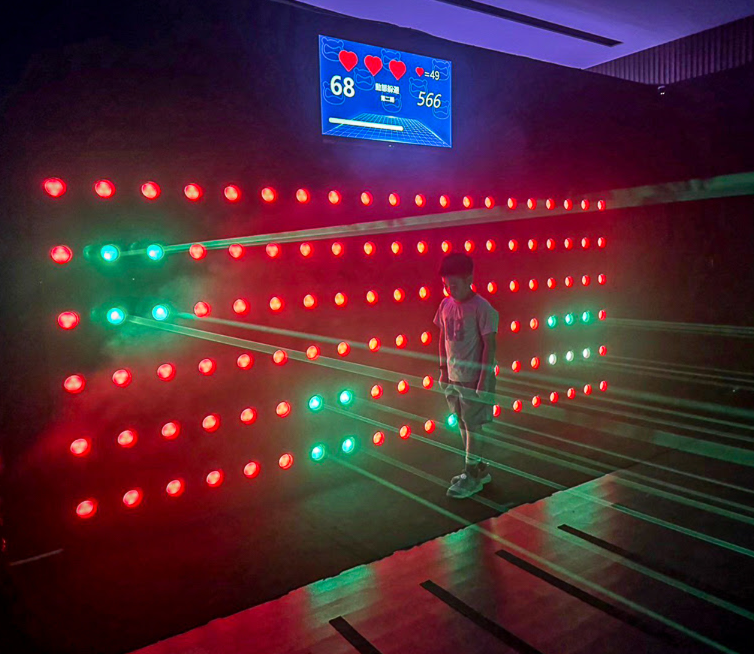
Laser Maze Navigation System
A physical navigation challenge system using laser detection paths and avoidance mechanic
Push Point Light Reaction System
A fast-response wall system where players must activate illuminated targets under time pressure.
This system is built on three fundamental design principles:
Physical Interaction Principle
All gameplay is based on human body movement instead of controllers or screens.
Competitive Multiplayer Principle
All systems are designed for 2–8 player interaction with scoring mechanisms.
Replayability Principle
Each game uses randomized patterns or dynamic logic to ensure high replay value.
 https://www.kydavrplay.com/contact-us
System
The project is composed of modular subsystems:
- Interactive LED Floor Grid Engine
- Projection Mapping Game Engine
- Laser Detection System
- Motion Tracking & Response System
- Real-Time Scoring Engine
- Multi-Room Control Platform
- Operator Management Dashboard
Each subsystem operates independently but can be synchronized across rooms for unified gameplay experiences.
Business Model Structure
The Active Gaming Center operates under a high-frequency entertainment monetization model:
Revenue Sources:
- Ticket-based entry system
- Group packages
- Corporate team-building events
- Birthday and private bookings
- Peak-hour pricing optimization
Operational Model:
- Short gameplay cycles (15–60 minutes per session)
- High player throughput per hour
- Automated scoring reduces labor dependency
- Multi-room parallel operation increases capacity
ROI Model
Key Operational Variables:
- Average ticket price: $15–$30
- Players per hour: 20–60
- Operating hours per day: 10–12
- Operating days per month: 26–30
Monthly Revenue Model:
Conservative Scenario
$15 × 20 players × 10 hours × 26 days
= $78,000 / month
Balanced Scenario
$20 × 35 players × 10 hours × 28 days
= $196,000 / month
High Performance Scenario
$30 × 50 players × 12 hours × 30 days
= $540,000 / month
Cost Structure:
- Rent: 15%–20%
- Staff: 15%–25%
- Marketing: 10%
- Maintenance: 5%
- Utilities: ~5%
Profit Range:
- Net margin: 20%–45% depending on location efficiency
- Typical payback period: 6–18 months
Industry Positioning
This project is classified as:
A next-generation evolution of escape room entertainment into interactive physical esports systems.
It differs from traditional escape rooms in the following ways:
|
Traditional Escape Rooms |
Active Gaming Systems |
|
Puzzle-based |
Movement-based |
|
Single storyline |
Multi-game systems |
|
Low replayability |
High replayability |
|
Static experience |
Dynamic interaction |
- Active Gaming Center = Physical movement-based digital entertainment system
- Pixel Grid = Interactive LED floor reaction system
- Mega Grid = Large-scale multiplayer competitive arena
- Laser Maze = Physical navigation avoidance system
- Lava Game = Projection-based survival gameplay system
Q1: What is an Interactive Active Gaming Center?
It is a physical entertainment system where players participate in interactive digital games using movement, reaction, and teamwork.
Q2: What makes Active Gaming different from escape rooms?
Active Gaming is based on physical movement and competitive gameplay, while escape rooms focus on puzzles and narrative progression.
Q3: What technologies are used in this system?
The system uses LED floor grids, projection mapping, motion tracking, laser detection, and real-time scoring systems.
Q4: What is the business model of an Active Gaming Center?
It generates revenue through ticket sales, group bookings, corporate events, and high-frequency gameplay cycles.
This 10-room Interactive Active Gaming Center is a multi-system physical esports entertainment facility combining LED floor games, projection-based gameplay, laser maze navigation, and reaction-based competitive systems.
It represents the evolution of the entertainment industry from:
passive observation → active physical participation → competitive real-world gaming systems