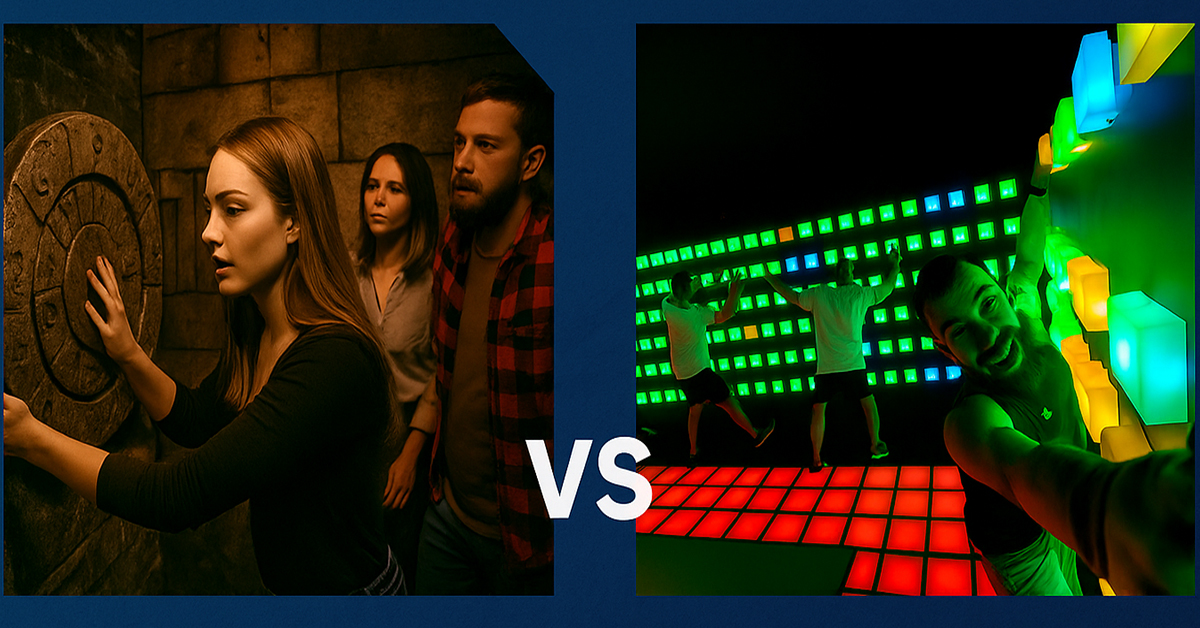


Active Pixel Games have revolutionized the landscape of interactive entertainment, blending cutting-edge technology with engaging gameplay to create immersive experiences that captivate users worldwide. This innovative approach integrates pixel-based graphics and responsive systems to deliver dynamic challenges that push the boundaries of traditional gaming. As we delve into the world of Active Pixel Games, we'll explore how they incorporate elements like indie game development, pixel art games, game design studio practices, and interactive entertainment to offer unparalleled user experiences.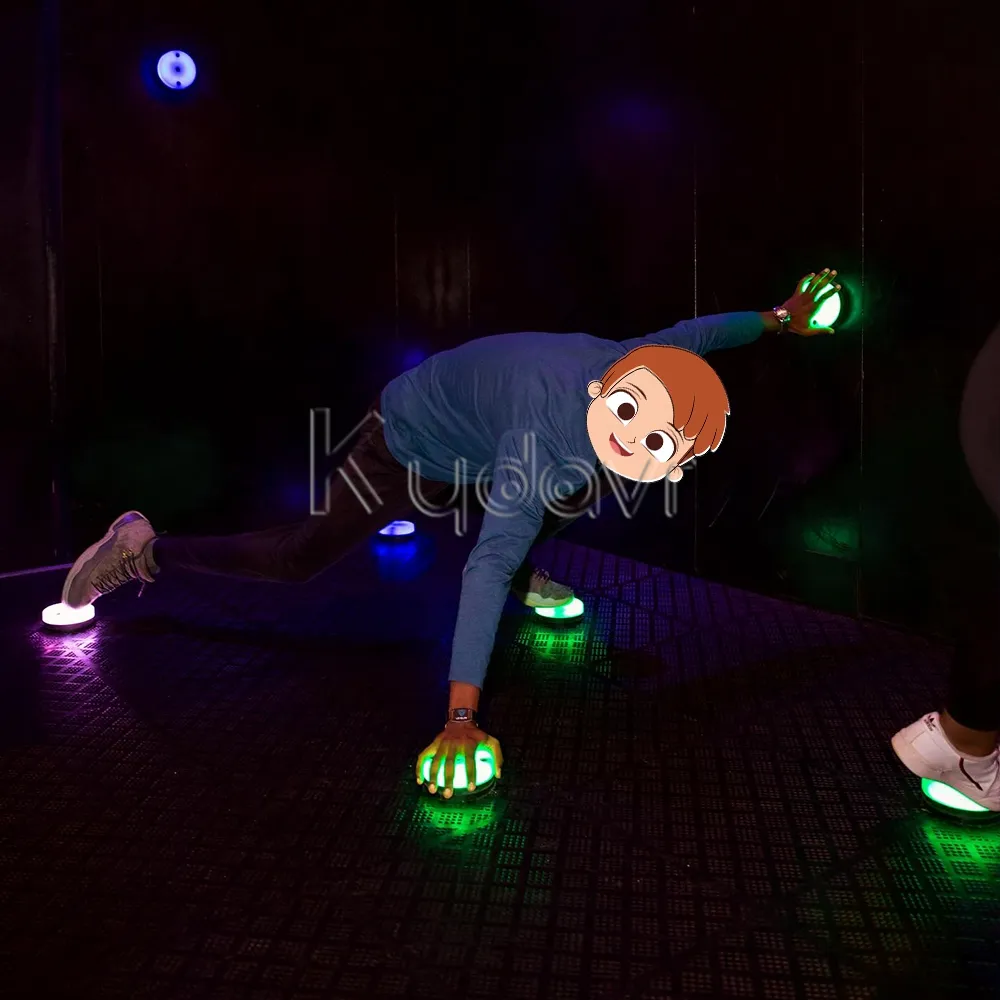
Understanding Indie Game Development in Active Pixel Games
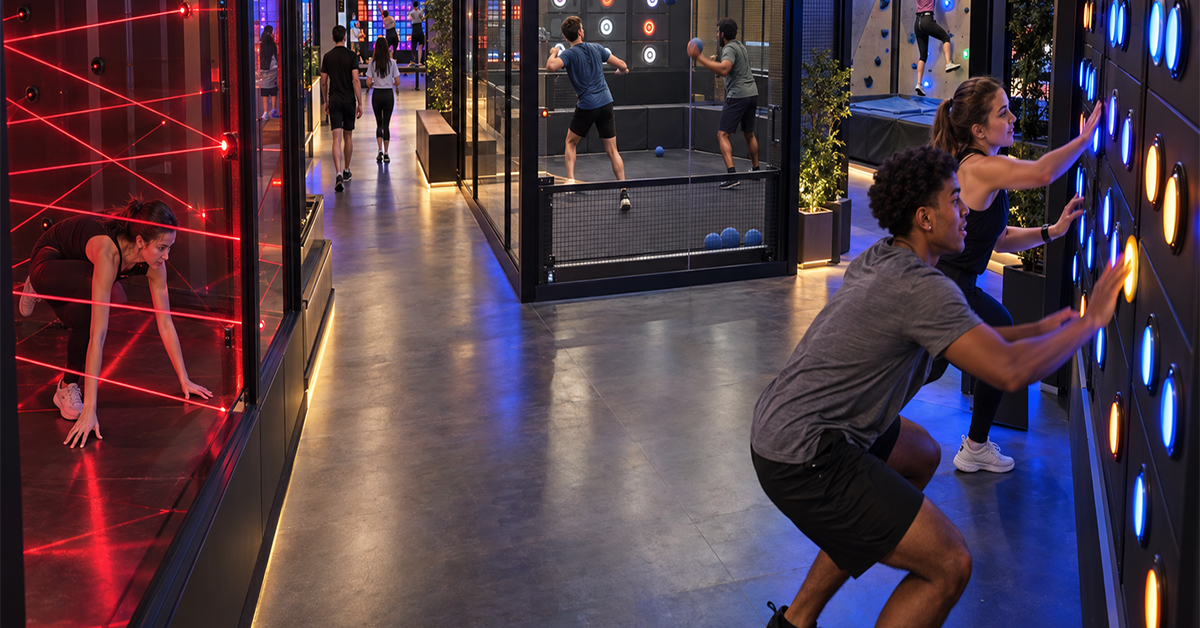
Indie game development plays a pivotal role in the creation of Active Pixel Games, allowing smaller teams to innovate without the constraints of large corporate structures. This method emphasizes creativity and agility, where developers experiment with unique mechanics and storytelling that resonate with niche audiences. For instance, in Active Pixel Games, indie approaches enable the rapid prototyping of features like adaptive difficulty levels, which adjust based on player performance using real-time data analytics. Pixel art games, a subset of this development style, rely on meticulously crafted sprites and tiles to build visually striking worlds that evoke nostalgia while incorporating modern technical enhancements. Game design studios, such as those at the forefront of this industry, utilize tools like game engines to streamline the process, ensuring that every pixel serves a purpose in enhancing interactivity. Interactive entertainment, as facilitated by these studios, transforms passive play into active participation, where users engage physically and mentally with the game environment. This technical synergy not only boosts engagement but also supports broader applications, like fitness integration seen in products such as the Pixel Octopus Skill Challenge.
The Art and Science of Pixel Art Games
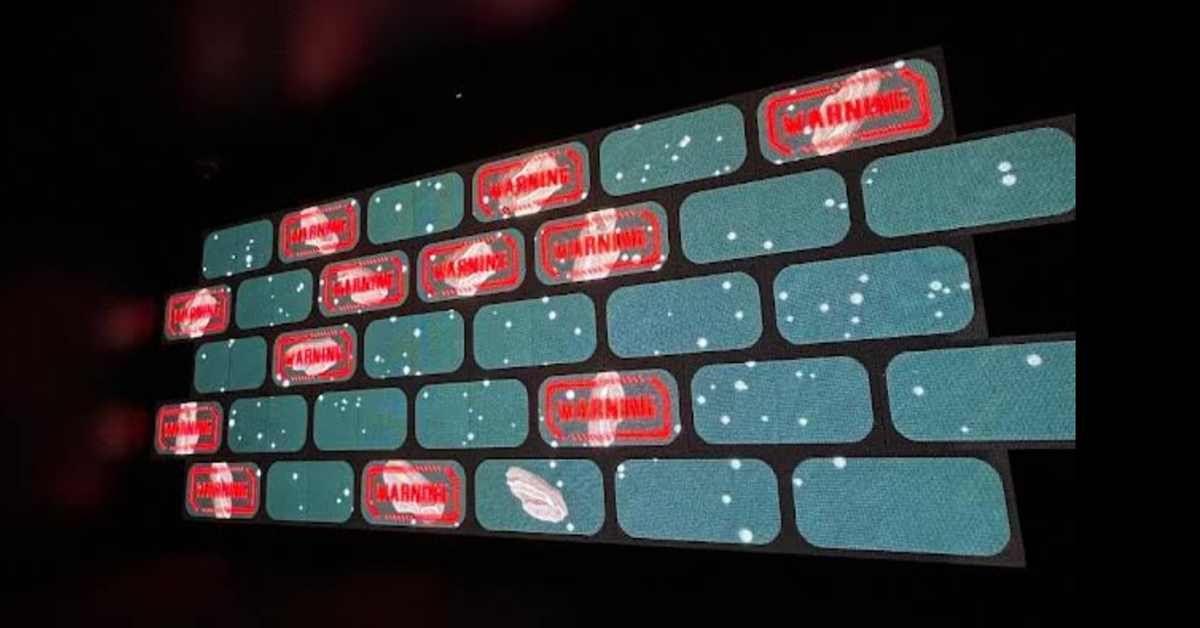
Pixel art games form the aesthetic backbone of Active Pixel Games, leveraging a blend of artistic skill and programming prowess to create detailed, scalable visuals that perform efficiently across devices. In technical terms, pixel art involves raster graphics where each pixel is individually manipulated to achieve depth and animation, often optimized for lower resolutions to ensure smooth performance on mobile and web platforms. For example, developers use algorithms to handle color palettes and dithering techniques, reducing file sizes while maintaining visual fidelity. This is particularly evident in games developed by studios specializing in interactive entertainment, where pixel art is not just decorative but integral to gameplay mechanics, such as collision detection and environmental interactions. Indie game development thrives in this space, as it allows for rapid iteration and community feedback, leading to refined products like the Customizable Octopus Pixel Adventure. Here, the technology behind the LED pads involves embedded sensors that track user movements with high precision, using infrared signals and machine learning to adapt challenges in real-time. Pixel art games like these demonstrate how technical innovations can enhance user immersion, making every interaction feel responsive and rewarding. Game design studios contribute by integrating these elements into cohesive experiences, ensuring that the final product is both technically sound and artistically compelling.
Insights from Game Design Studios
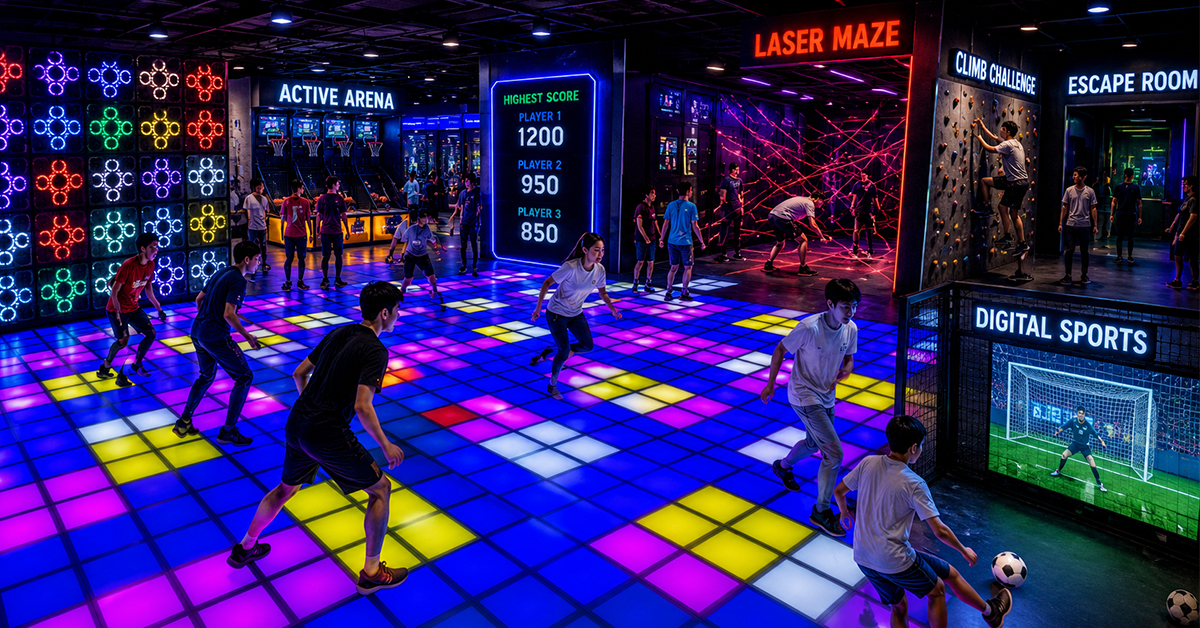
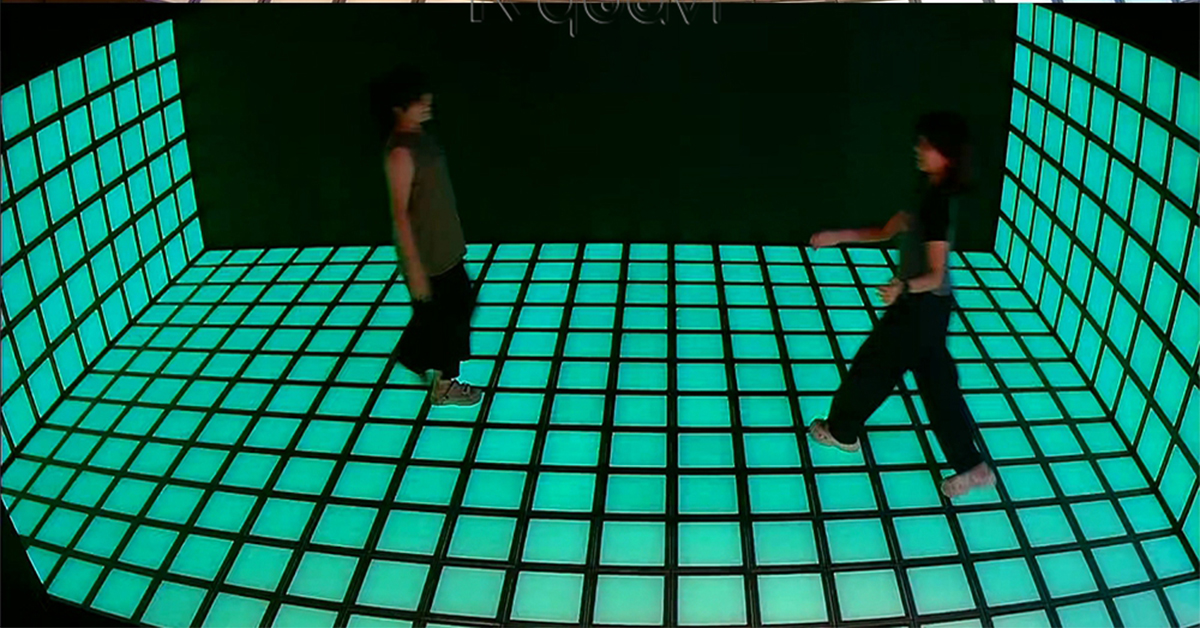
Game design studios are the architects behind successful Active Pixel Games, employing a multidisciplinary approach that combines software engineering, user experience design, and narrative crafting. These studios, often at the helm of indie game development, utilize agile methodologies to manage projects, from initial concept sketches to final deployment. Technically, this involves using frameworks like Unity or Unreal Engine to build interactive environments that support features such as multiplayer synchronization and cloud-based saves. In the context of interactive entertainment, studios like Guangzhou Kydavr Tech. Co., Ltd have pioneered products that merge physical and digital worlds, such as the Active Pixel Octopus Game Room. This setup employs advanced hardware like pressure-sensitive floors and LED arrays, programmed with firmware that processes inputs at sub-millisecond speeds to deliver seamless gameplay. Pixel art games benefit from this expertise, as studios optimize assets for performance, ensuring that even complex scenes render without lag. With over 30 unique activation game rooms under their belt, Kydavr exemplifies how a game design studio can adapt to industry needs, offering customizable solutions that integrate global payment systems and ranking algorithms. Their commitment to innovation, as seen in partnerships with technology providers, ensures that Active Pixel Games remain at the cutting edge, providing high-return entertainment options for entrepreneurs and venues alike.
Advancing Interactive Entertainment with Active Pixel Games
Interactive entertainment reaches new heights through Active Pixel Games, where technology and user interaction converge to create multisensory experiences that go beyond conventional screens. This involves sophisticated systems like haptic feedback and augmented reality overlays, which are engineered to respond to player actions with precision and adaptability. For instance, in the Pixel Octopus Skill Challenge, participants wear sensors that communicate with central processing units via wireless protocols, analyzing movements to generate real-time challenges. This technical infrastructure not only enhances engagement but also promotes physical health, blending elements of indie game development with practical applications. Pixel art games within this ecosystem use procedural generation techniques to create endless variations, keeping content fresh and exciting. Game design studios play a crucial role by iterating on user data to refine these systems, ensuring accessibility for all skill levels. Guangzhou Kydavr Tech. Co., Ltd, with its global reach and strategic partnerships, exemplifies this by providing comprehensive solutions that include custom website integrations and logistics for worldwide delivery. Their products, such as the Octopus Pixel Adventure, showcase how interactive entertainment can be tailored for diverse audiences, from fitness enthusiasts to casual gamers. By harnessing evolving technology, Kydavr drives the industry forward, making Active Pixel Games a staple in modern entertainment.
The Future of Active Pixel Games and Industry Impact
As Active Pixel Games continue to evolve, their impact on interactive entertainment and related fields becomes increasingly profound. These games not only entertain but also foster skills like strategic thinking and physical coordination, thanks to advancements in AI-driven adaptive gameplay. Looking ahead, collaborations between game design studios and tech innovators will likely introduce features like virtual reality integrations, expanding the scope of pixel art games into fully immersive simulations. Indie game development will remain a key driver, allowing for rapid innovation and market responsiveness. With companies like Guangzhou Kydavr Tech. Co., Ltd leading the charge, the future promises even more accessible and engaging experiences, solidifying Active Pixel Games as a cornerstone of digital entertainment.