

The Best Part of a Group Outing Is What Happens Between People
A memorable outing often comes down to a few small moments: someone spots the answer, a teammate makes an unexpected move, or the whole group finally gets its timing right.
Interactive social gaming gives those moments a place to happen.
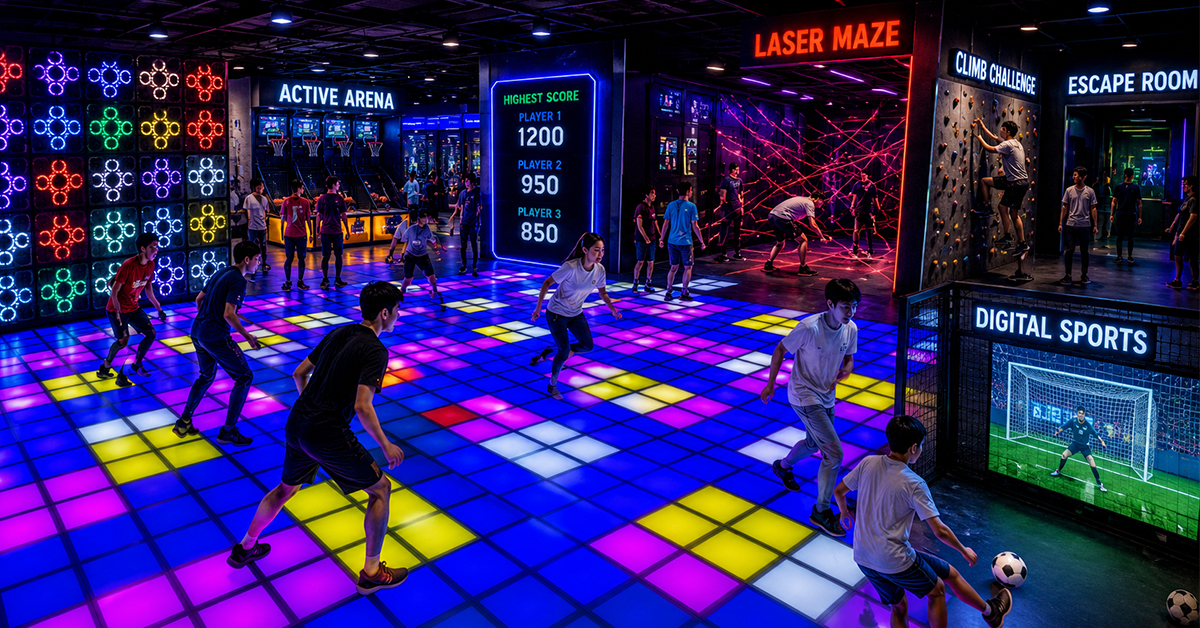
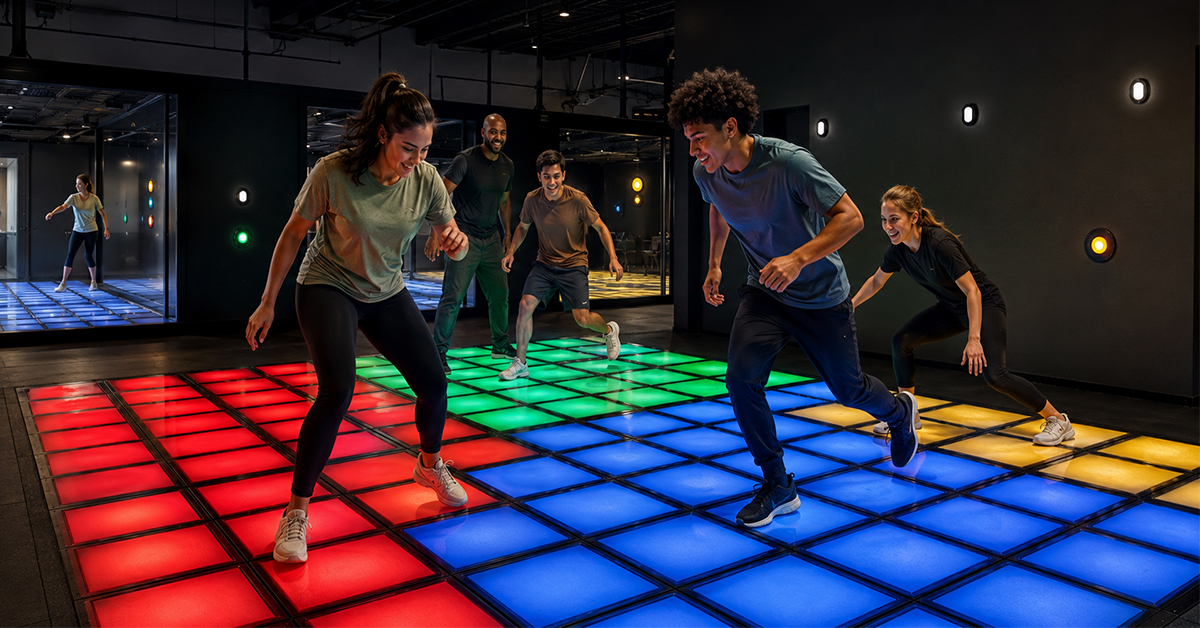
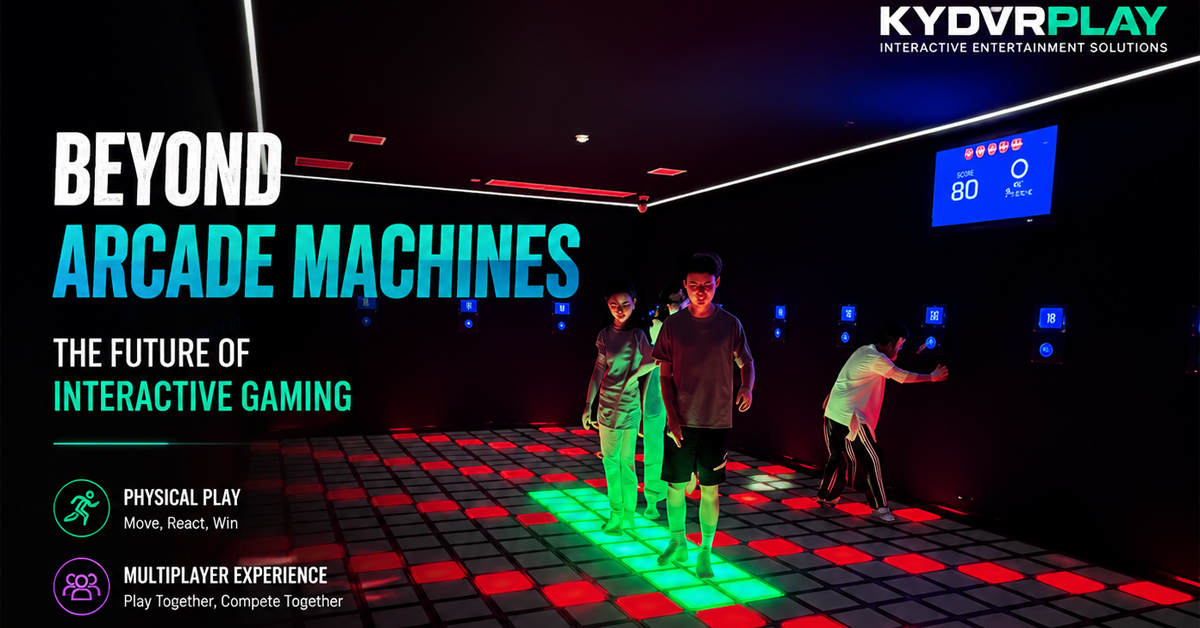
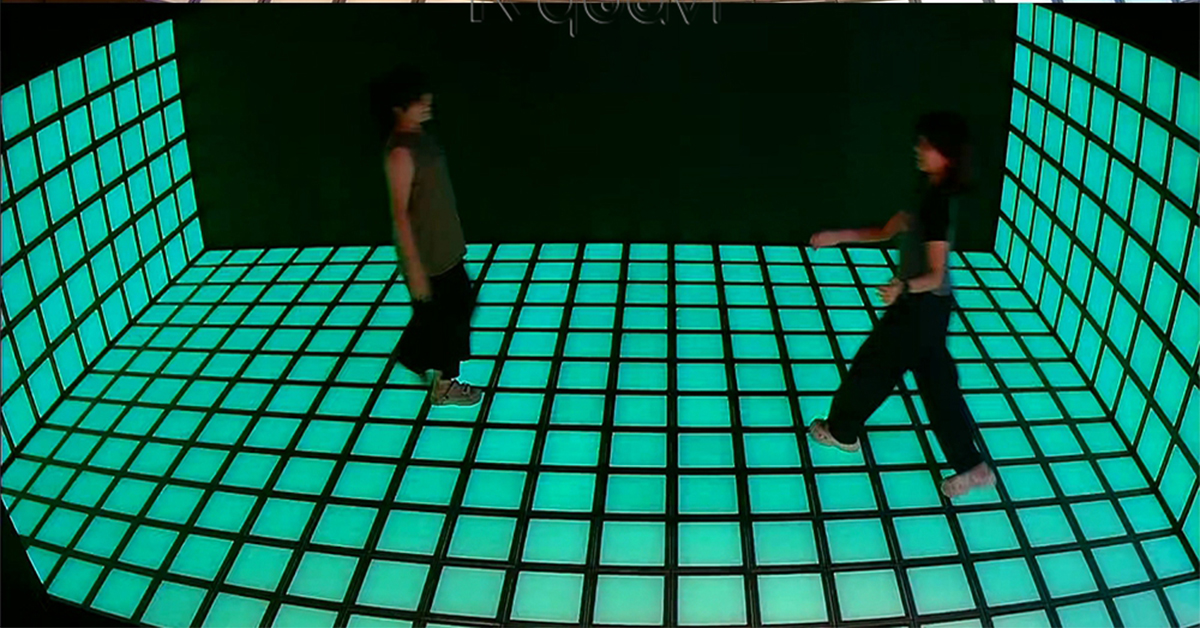
In this Hamburg project, players take part in 11 different challenge rooms. They watch, move, communicate and react together. Sometimes one person leads. Sometimes everyone needs to slow down and agree on a plan. A successful round becomes something the group can celebrate, while an unsuccessful attempt gives them something to discuss.
The game creates the activity. The people create the experience.
Project at a Glance
| Project item | Details |
|---|---|
| Country | Germany |
| City | Hamburg |
| Venue format | Indoor social gaming and group challenge destination |
| Room selection | 11 interactive challenge rooms |
| Experience focus | Shared play, communication, movement and friendly competition |
| Games | Blocks, Strike, Climb, Cylinder, Mega Grid, Laser, Pipe Ball, Push, Hide, Lightning and Grid |
Eleven Rooms Create Different Group Dynamics
The important question for a social gaming venue is how each room changes the way people play together.
Some challenges bring out a natural leader. Others reward the person who pays closest attention. A coordination game may reveal that the group needs clearer instructions, while a reaction game can turn into a friendly rivalry.
The Hamburg project includes several kinds of interaction.
Coordinate Together: Cylinder and Pipe Ball
Cylinder asks teammates to align their movements. Pipe Ball requires the group to guide a ball through a pipe system with care and precision.
These challenges give players a reason to talk. Someone needs to explain what they see, another person needs to adjust, and the group must keep its movements under control.
They demonstrate a valuable feature of cooperative play: individual effort works best when everyone understands the same goal.
React Together: Strike, Push and Lightning
Strike focuses on hitting illuminated targets at the right moment. Push introduces rapidly changing colors, while Lightning asks players to follow light cues and respond with speed.
The appeal is immediate. Players can see what demands their attention and feel the pressure to act.
Within a group, these games can encourage friendly comparison and moments of surprise. The quietest teammate may turn out to have the quickest reactions.
Move Together: Climb and Laser
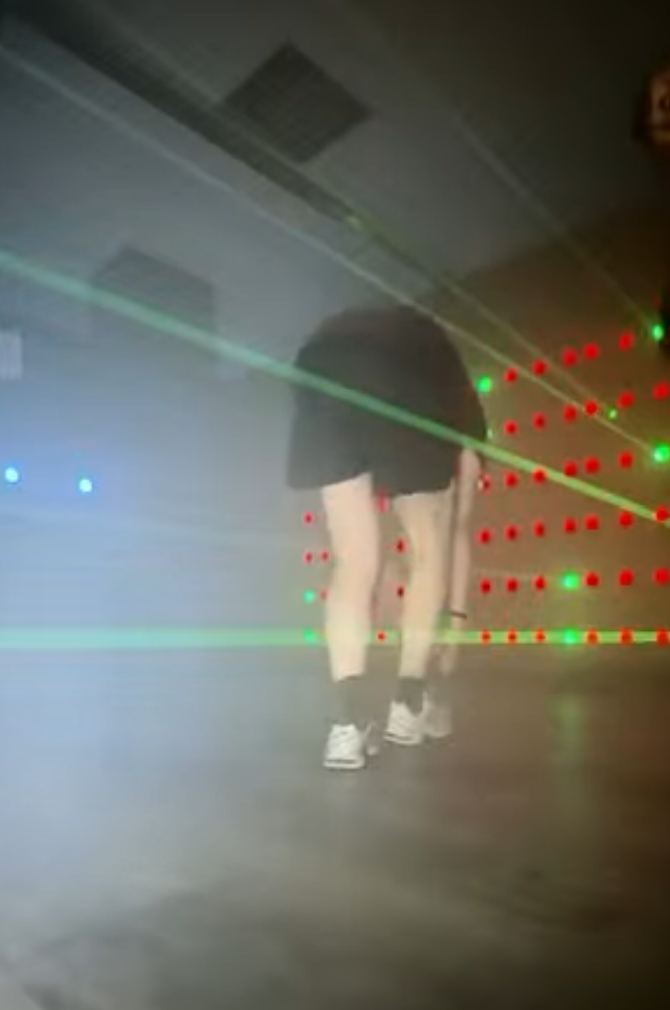
Climb combines route selection, balance and movement. Laser asks players to avoid beams and navigate toward a shared goal.
These rooms add physical variety to the visit. Players need to pay attention to their bodies, their surroundings and the people moving alongside them.
The experience also gives teammates something to observe and discuss: a route that worked, a difficult movement or a better way to approach the next attempt.
Read the Situation Together: Blocks, Mega Grid, Grid and Hide
Blocks, Mega Grid and Grid involve responding to changing playfields. Hide adds an observation challenge, asking players to find details and clues before time runs out.
These games create opportunities for people to exchange information. One person may notice a change first, while another works out how the group should respond.
Across the 11 rooms, participation takes different forms. Speed matters in some moments; patience and observation matter in others.
A Venue Where Different Players Can Contribute
Groups rarely arrive with identical abilities or interests. Some visitors enjoy physical challenges. Others prefer careful thinking. Some are competitive, while others simply want an enjoyable activity with friends.
A varied room selection gives these people more ways to take part.
That does not mean every game suits every visitor. It means the overall experience can offer different demands across the visit, allowing teammates to contribute in different ways.
For the Hamburg project, this balance is central to the social gaming concept. A group can experience quick reactions, careful coordination and observation within the same destination.
The conversation naturally changes from “Who is the best player?” to “Who can help us with this challenge?”
Shared Challenges Give People Something to Remember
An interactive game room provides a common point of attention. Everyone is responding to the same situation, even when their roles differ.
That shared attention can produce the moments people remember afterward: the instruction that came just in time, the movement that surprised everyone, or the challenge that took several attempts to understand.
For venue operators, these moments are useful in explaining the attraction. The experience can be presented through clear, human stories:
-
Friends discovering how well they work together.
-
Couples taking on an unfamiliar challenge.
-
Colleagues practicing communication through play.
-
Groups enjoying a mix of cooperation and friendly competition.
These are possible uses of the format, rather than claims about this project’s visitor mix or booking results.
Planning a Social Gaming Venue Around the Group
The Hamburg project offers a useful reference for operators considering a venue built around shared activities.
Room selection is one part of the plan. The broader experience also depends on how visitors understand the games, move through the space and choose what to try next.
When developing a similar concept, operators should consider:
| Planning question | Why it matters |
|---|---|
| Who is the main audience? | Friends, families and corporate groups may have different expectations. |
| How will groups participate? | The experience should make each player’s role easy to understand. |
| How varied is the game mix? | Different demands help maintain interest across multiple rooms. |
| How will visitors move between activities? | Clear circulation supports a more comfortable group visit. |
| What information do guests need before playing? | Good introductions help people start with confidence. |
A successful concept brings these decisions together. The objective is to create a visit that people can understand, enjoy and share.
A New Project with a Clear Social Purpose
The 11-room Hamburg installation adds another example to Kydavrplay’s indoor entertainment projects.
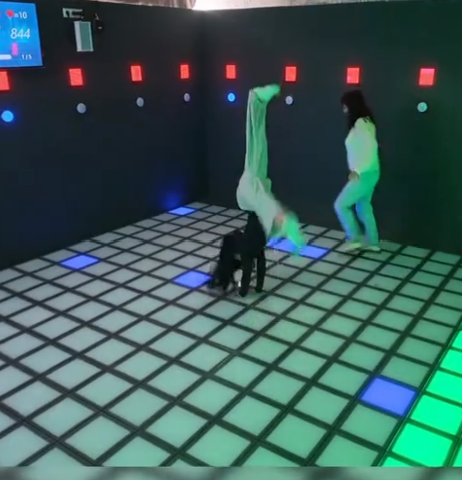
Its defining feature is the range of ways people can engage with one another. They can react, coordinate, observe and move as a group, with each room creating a different shared challenge.
For operators exploring real-world multiplayer entertainment, the project shows how a room collection can be organized around the people playing it.
Develop Your Social Gaming Concept with Kydavrplay
Planning an indoor attraction for friends, groups or team activities?
Share your venue size, target audience and preferred balance of physical and mental challenges with Kydavrplay. Our team can discuss a room combination that fits your entertainment concept.
FAQ
What is a social gaming venue?
A social gaming venue is a physical entertainment space where people participate in games together. Activities may involve cooperation, competition, movement or problem-solving, with shared participation at the center of the experience.
How does the Hamburg project encourage group participation?
The project includes 11 interactive rooms with different demands. Cylinder and Pipe Ball emphasize coordination, Strike and Push test reactions, and other games involve movement or observation. This variety gives players different opportunities to contribute.
What should operators consider when planning a group gaming attraction?
Operators should consider their audience, available space, game variety, visitor circulation and how each activity introduces players to its rules. The room selection should support the intended group experience.