
Active gaming is changing the way people experience indoor entertainment.
Unlike traditional games that keep players sitting and staring at a screen, active gaming encourages people to move, react, and interact with others. It blends physical activity, immersive technology, and social play into one engaging experience that players of all ages enjoy.
From family entertainment centers and arcades to corporate team-building venues, active gaming is quickly becoming one of the most popular attractions for indoor entertainment spaces.
Today’s visitors no longer want passive entertainment where they simply watch or sit still. They want experiences that are fun, interactive, memorable, and even a little healthy. Active gaming meets all these expectations by turning physical movement into part of the gameplay.
In this guide, we’ll explore:
· What active gaming really is
· Why it has become so popular worldwide
· The benefits for both players and entertainment venues
· How venues can successfully integrate active gaming
· Real-world success stories
· Future trends shaping the industry
By the end, you’ll understand why active gaming is shaping the future of indoor entertainment.
What Is Active Gaming?
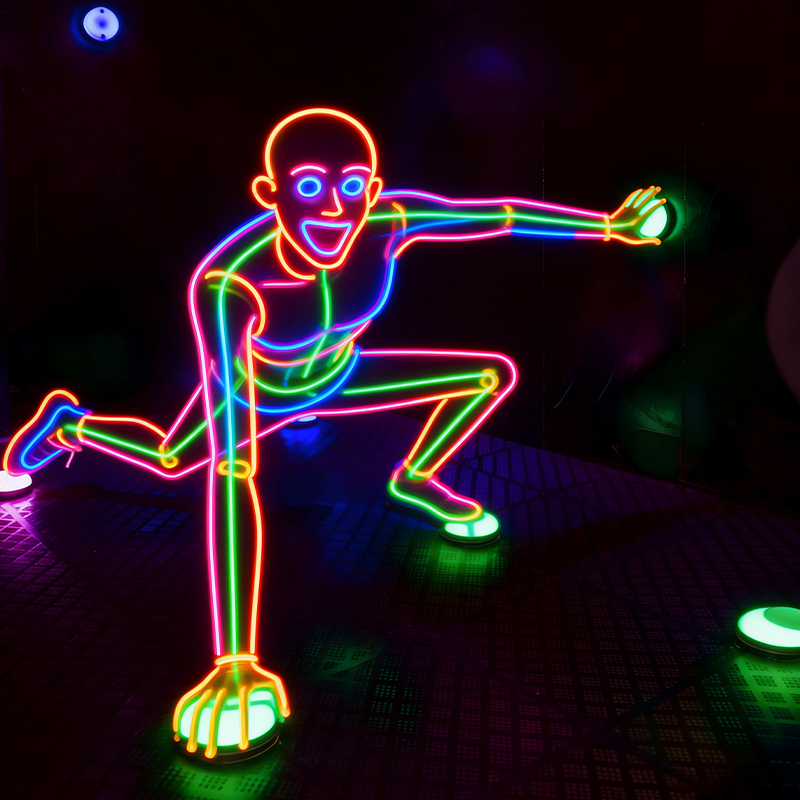
Active gaming—sometimes called exergaming—is a type of interactive entertainment where players must physically move in order to play.
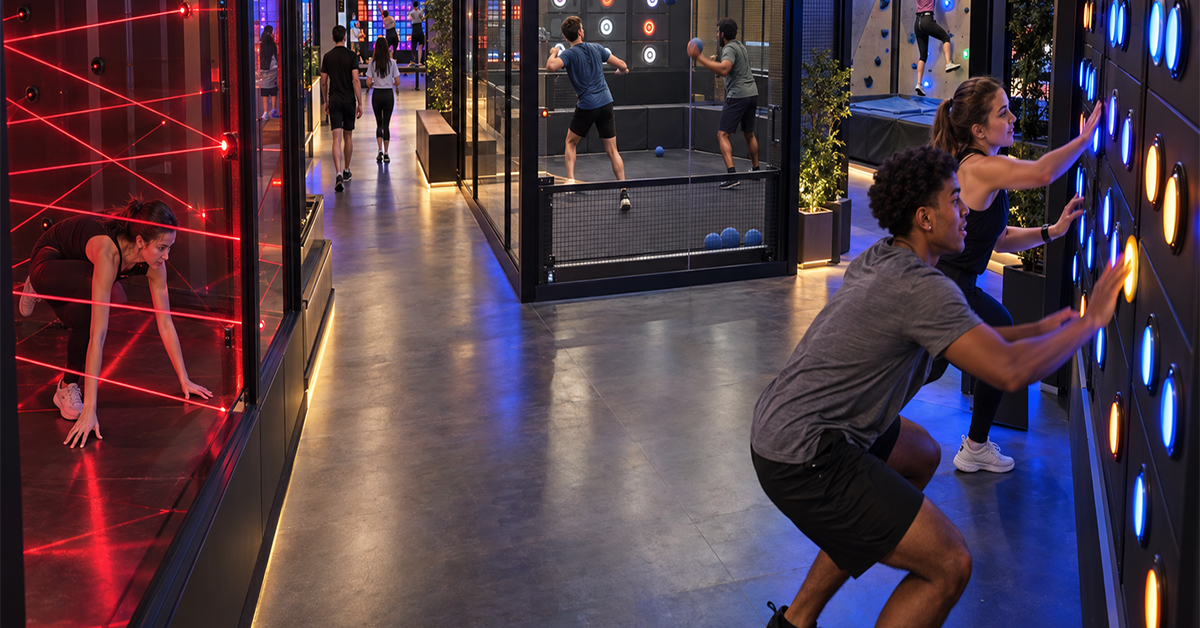
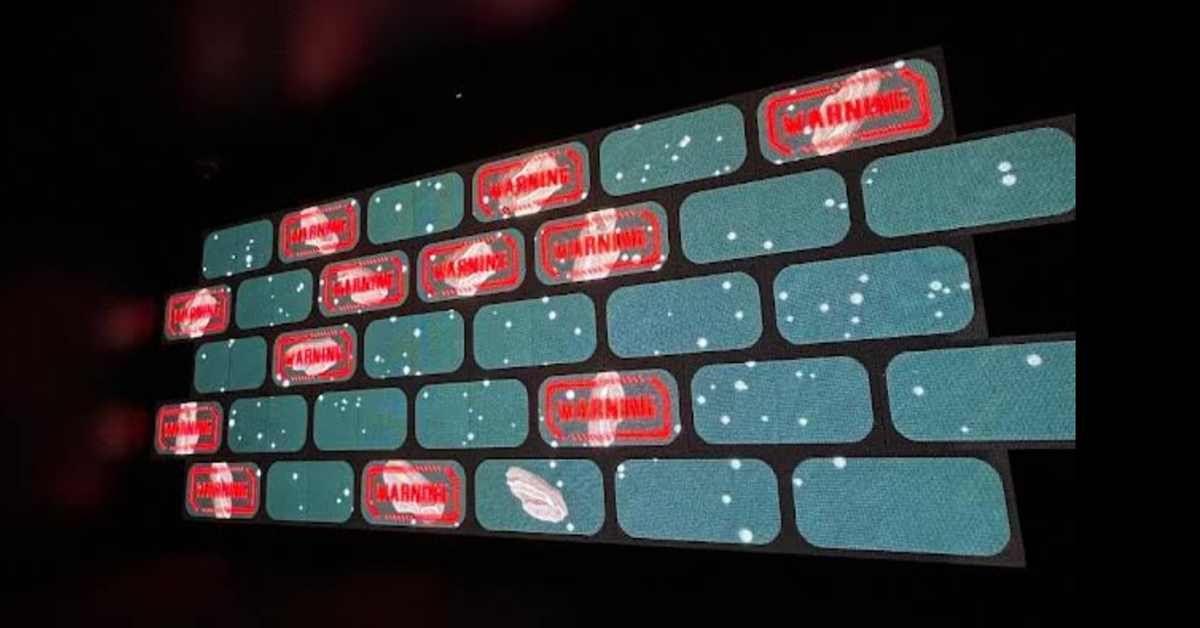
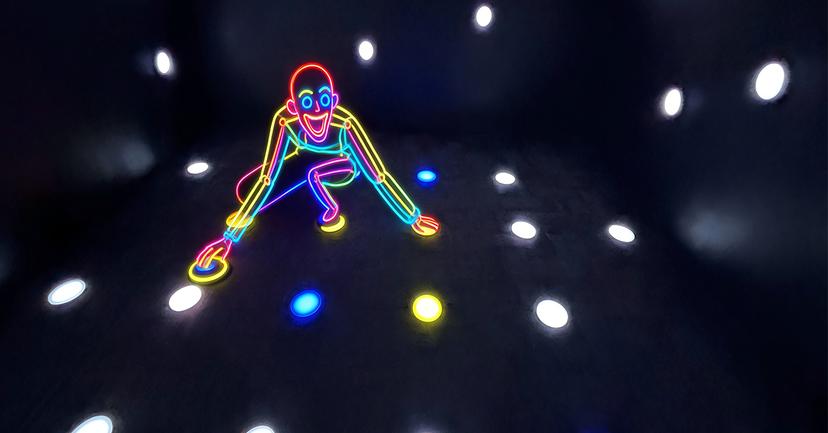
Instead of sitting with a controller, players jump, run, dodge, touch, and react to the game environment. Motion sensors, projection systems, laser technology, and VR/AR are often used to track movements and create real-time interactions.
This transforms gaming from a passive activity into a fully immersive physical experience.
Players interact with:
· The game environment
· Their teammates
· Other competitors
· The surrounding space
This combination creates excitement, social interaction, and memorable experiences that traditional games often lack.
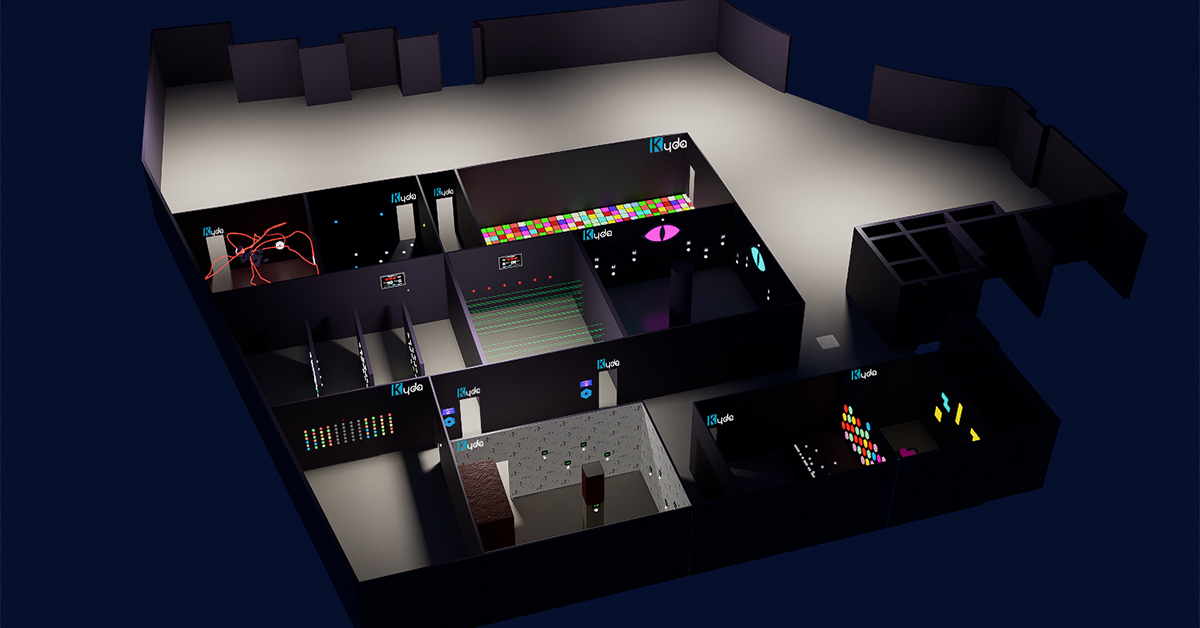
Active gaming comes in many forms. Below are some of the most popular categories used in modern entertainment venues.
Interactive Floor Games
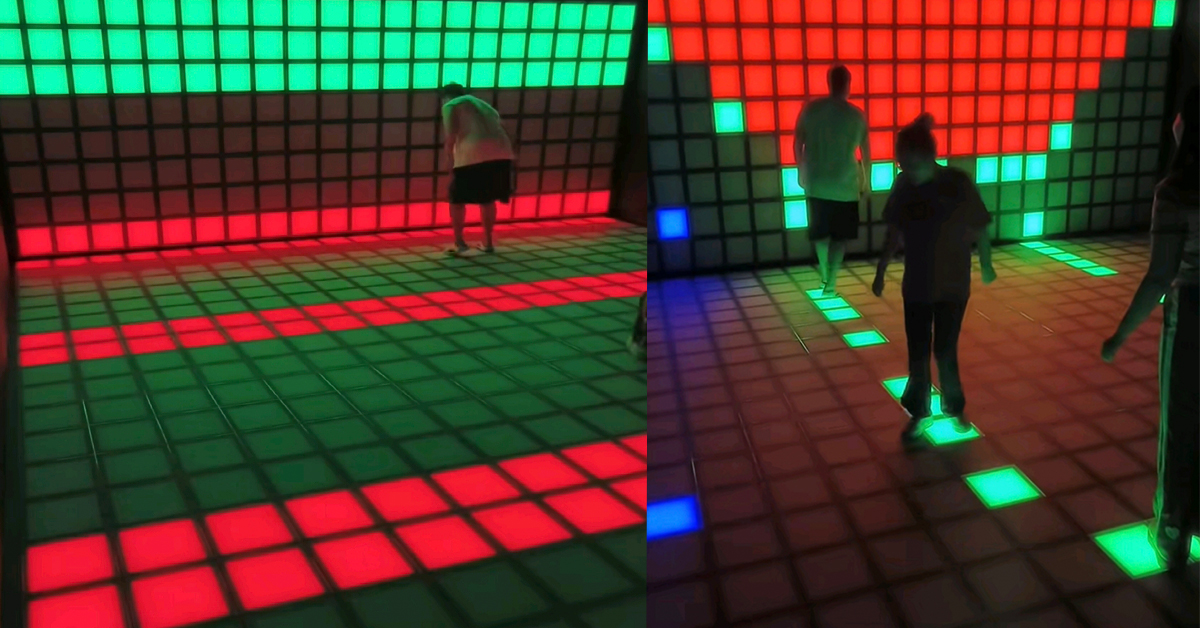
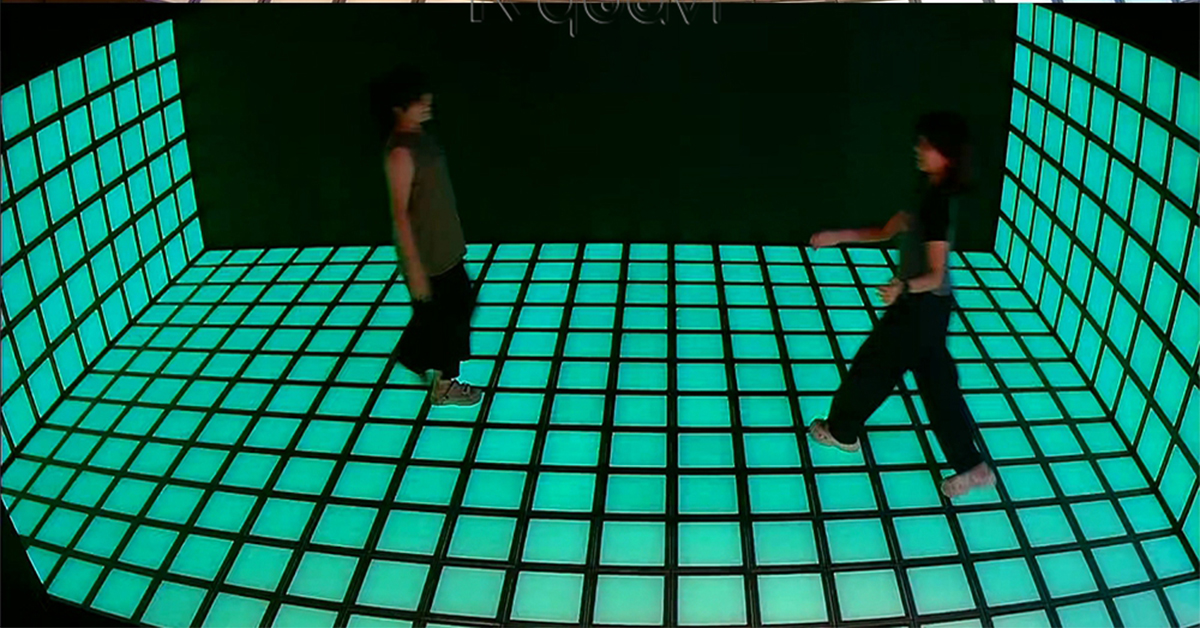
Interactive floor projection games are one of the most accessible forms of active gaming.
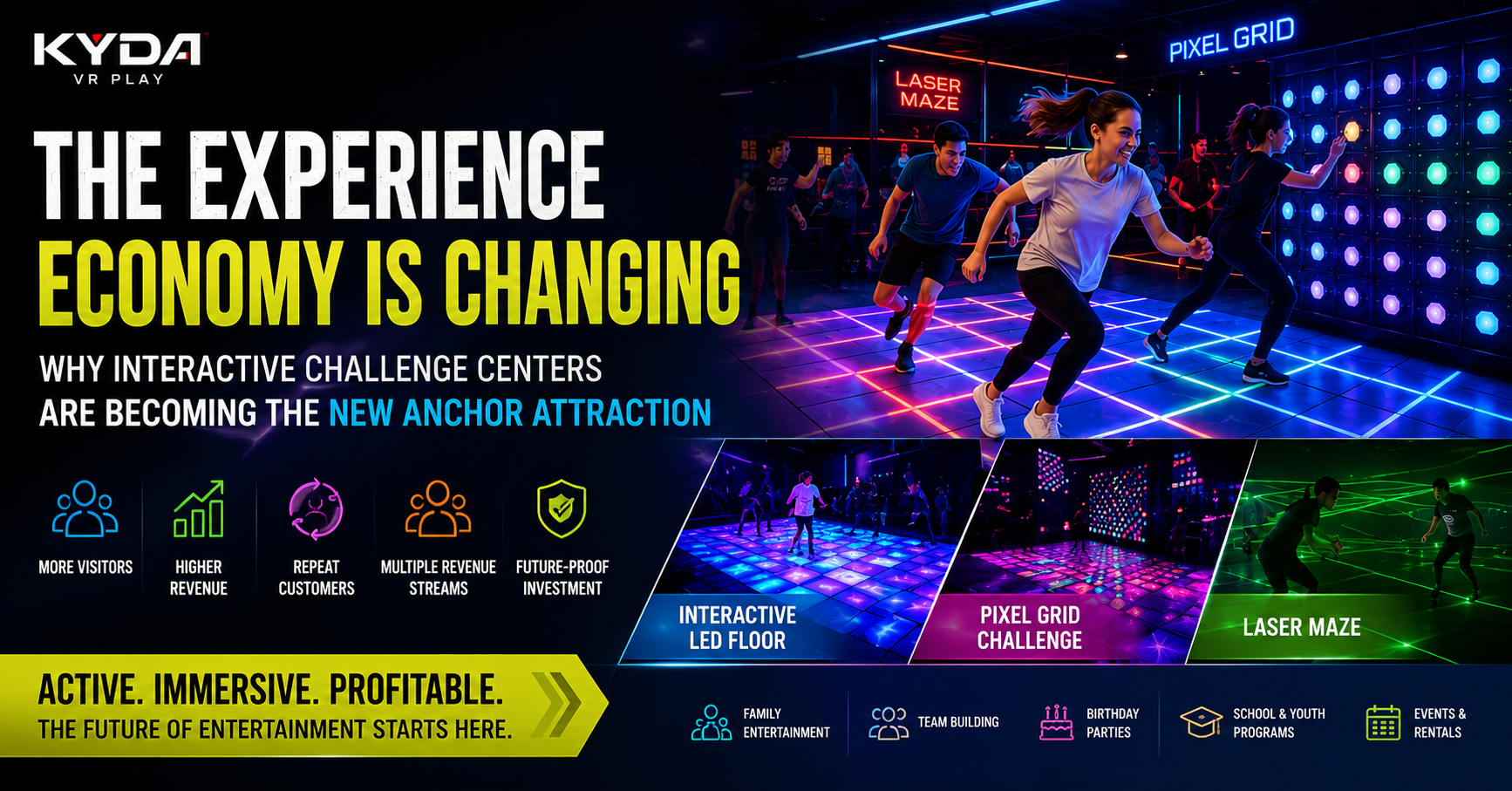
A projector displays dynamic visuals on the floor while motion sensors detect players’ movements. Players interact with the game simply by stepping, jumping, or touching the projection area.
These games are easy to learn and suitable for almost all ages, making them especially popular in:
· Family entertainment centers
· Shopping malls
· Children's play areas
· Interactive museums
The biggest advantage is flexibility. Game themes can be easily changed for holidays or special events, allowing venues to constantly refresh the experience without replacing equipment.
Because the setup is relatively simple and maintenance costs are low, interactive floor games are often the first active gaming attraction added to entertainment venues.
Laser Maze and Laser Tag Arenas
Laser-based games are another major category within active gaming.
In a laser maze, players must carefully navigate through a network of laser beams without touching them. Crawling, stretching, and quick reactions are required to complete the challenge.
Laser tag arenas take the excitement even further. Players wear sensors and compete in teams using laser blasters, scoring points by tagging opponents.
These games are extremely popular because they combine:
· Physical movement
· Competition
· Strategy
· Team collaboration
Modern systems often incorporate AR elements and dynamic lighting effects, making the environment feel like a futuristic mission or adventure.
Key Benefits of Active Gaming
Active gaming creates value for both players and venue operators, which is one reason it has grown so rapidly in recent years.
A Fun Way to Stay Physically Active
Many people struggle to stay active because traditional exercise can feel repetitive or boring.
Active gaming changes that by turning exercise into play.
A 30-minute session of dance-based active games can burn 150–300 calories, similar to a brisk walk. Higher-intensity games like laser tag or obstacle challenges can burn even more.
Players enjoy the experience without feeling like they are working out.
Stress Relief and Emotional Well-Being
Physical movement naturally releases endorphins, which help reduce stress and improve mood.
Because active gaming is social and immersive, it provides an effective escape from daily pressure. Players often leave feeling energized and refreshed.
Strong Social Interaction
Active gaming is inherently social.
Many games require teamwork, communication, and friendly competition, making them ideal for:
· Friends gatherings
· Family outings
· Birthday parties
· Corporate team building
Unlike passive entertainment, active gaming encourages people to interact and share experiences together.
A Break From Screen Fatigue
People spend hours each day staring at phones and computers.
Active gaming offers a healthier alternative by encouraging movement and real-world interaction while still delivering the excitement of gaming.
Benefits for Entertainment Venues
For entertainment businesses, active gaming is more than just a fun attraction—it is also a powerful revenue driver.
Longer Visitor Stay Time
Active gaming experiences typically last 10–30 minutes per session, much longer than many traditional arcade games.
Longer visits often lead to higher spending on:
· Food and beverages
· Additional games
· Merchandise
· Group packages
Higher Return Visitor Rates
Because many active games include levels, challenges, and leaderboards, players often return to improve their scores or try new game modes.
This creates strong repeat visitation.
Competitive Differentiation
Indoor entertainment markets have become highly competitive.
Adding active gaming attractions allows venues to stand out from traditional arcades or play centers by offering unique interactive experiences.
Strong ROI Potential
Active gaming attractions generate revenue through multiple channels:
· Per-play ticket sales
· Membership programs
· Birthday party packages
· Corporate team-building events
For many venues, this combination leads to a fast return on investment.
Conclusion
Active gaming represents a major shift in how people experience indoor entertainment.
It combines movement, technology, and social interaction into a format that is both exciting and memorable. For players, it offers fun, health benefits, and meaningful experiences. For entertainment venues, it provides powerful opportunities to increase visitor engagement and revenue.
As technology continues to evolve, active gaming will only become more immersive, more interactive, and more accessible.
For entertainment businesses looking to stay competitive in the modern experience economy, active gaming is no longer just an option—it is the future of indoor entertainment.
Call to Action
If you are planning to upgrade your entertainment venue with active gaming attractions, the right technology partner is essential.
Kydavr provides professional interactive game solutions including:
· Interactive floor games
· Laser challenge arenas
· Active Activate challenge Game rooms
· VR and AR gaming systems
Our team helps entertainment venues design, install, and launch engaging active gaming experiences that attract visitors and drive revenue.
Contact Kydavr today to explore how active gaming can transform your venue.